
In the back to back school season and also across the year, the right fitting kid’s shoes are amongst one of the most important things on the parents’ shopping lists. For most of the parents, shoe shopping for kids may be a task simpler than the pop quiz gym session. However, there are several factors that need to be considered while shopping for kid’s shoes.
Some primary factors to be taken into account
Feet change with age: The size and the shape of children’s feet changes as they are in the growing stage. You may find that children have overgrown their socks and shoes over a few months.
Shoes without proper fit aggravate feet: One should always measure the child’s feet prior to buying shoes. Be watchful for any signs of irritation.
Do not hand down footwear: If you find a particular shoe size fitting child comfortably, it does not necessarily mean that these would fit another too. Moreover, sharing of the shoes may result in spreading of fungi causing athletes’ foot or nail fungus.
Examine the child’s heels: Many times, children wear the heels of the shoes much faster than outgrowing their shoes. If you notice an uneven heel wear, you must check with a pedorthist.
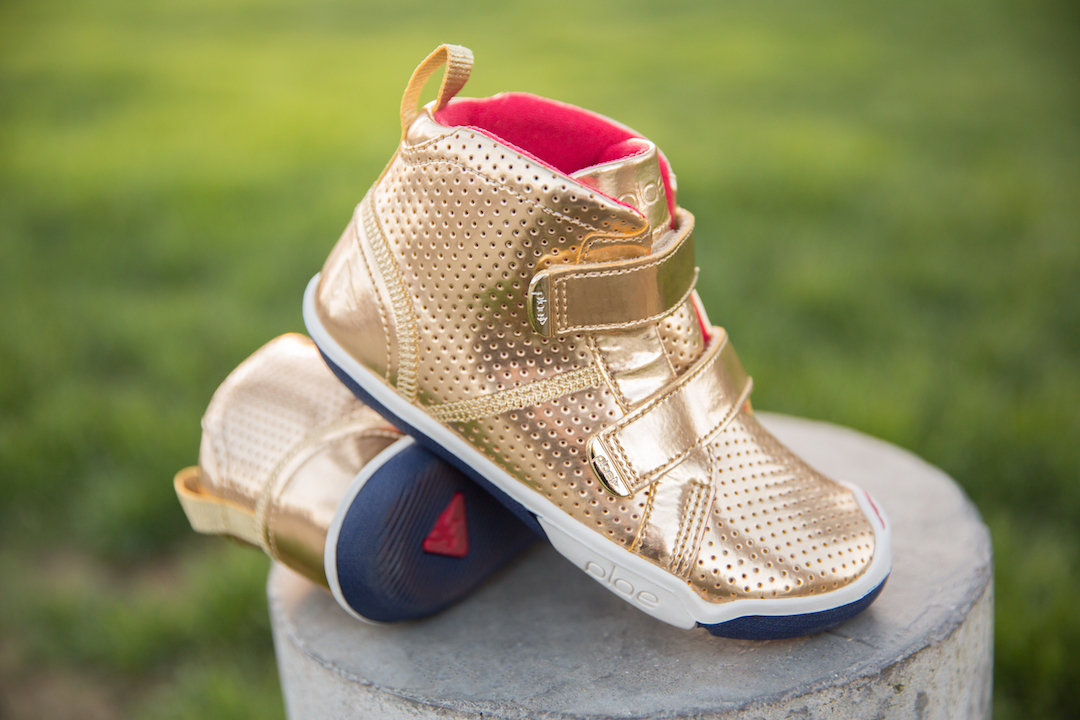
Take your child along for shopping: Every shoe provides a different fit. When the kid has a say in the shoe buying process, it would promote the healthy foot habits in the coming time.
Buy for the larger foot: Both the foot are not of the same size. Use the larger foot as the parameter for buying kid’s shoes.
Prefer shoes not requiring a break in period: Shoes must feel comfortable instantly. Make sure your kid tries the shoes with socks or tights on if this is how they will wear them.
Tests for proper fitting of kid’s shoes
Heel grip test: Make the child sit down on a chair, and now pull on the heel of the shoe firmly. This would help in ensuring minimal heel slippage.
Width: The shape of the shoe would fit and suit the foot shape. Moreover, the shoe must be adequately deep and broad. When you find the child’s foot pressing against the shoe, the shoes are probably not the right fit. When the child stands, check for extra pressure on the little toes. The rule of the thumb is that the ball of the foot should fit comfortably and snugly in the widest part of the shoe.
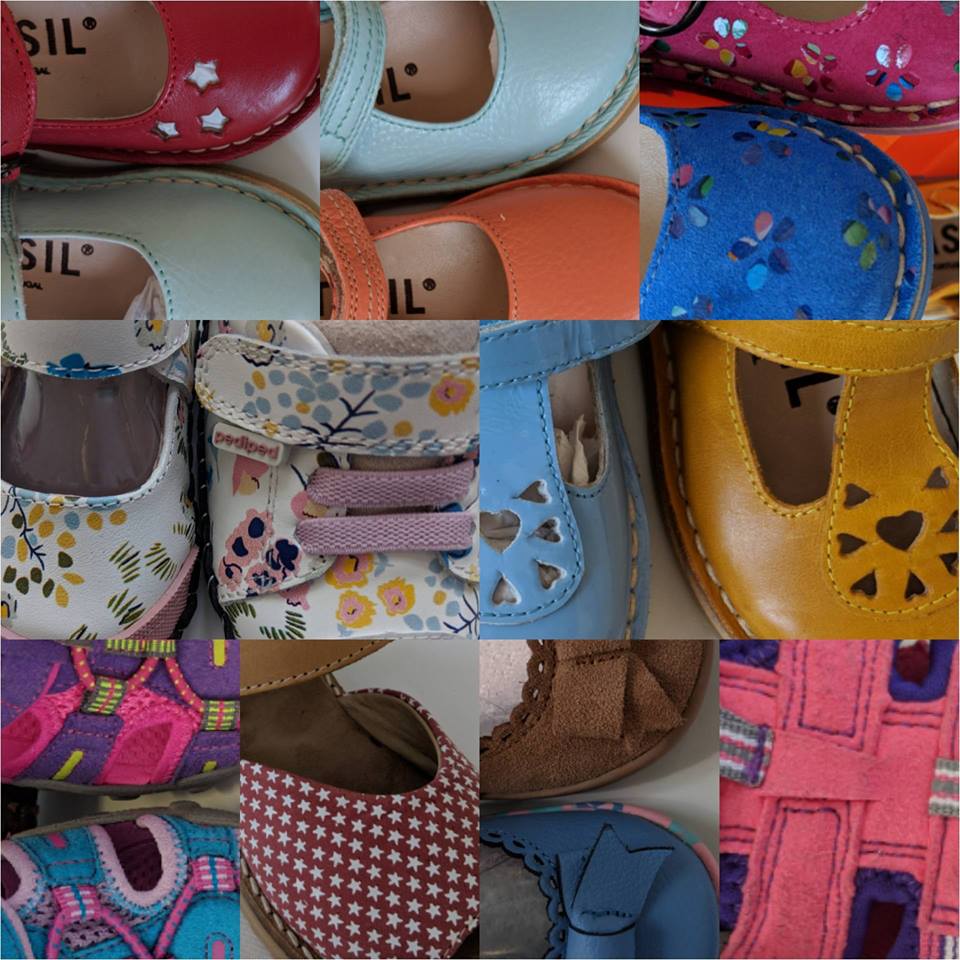
How to check width: One should be able to squeeze the shoe material a little around the sides by passing your finger firmly over the front of the shoe.
Depth: One must ensure that the shoes are deep enough by pulling the thumb across the shoes’ top. You should feel only a small ripple and not a large pleat. The more is the number of creases, the greater is the depth.
Length: The longest toe of the child (standing position) must be placed after a pinkie finger distance from the front of the shoe. In case of junior shoes, you should allow for an index finger room from the largest toe. For senior shoes, allow for a thumb’s width space in front of longest toe.
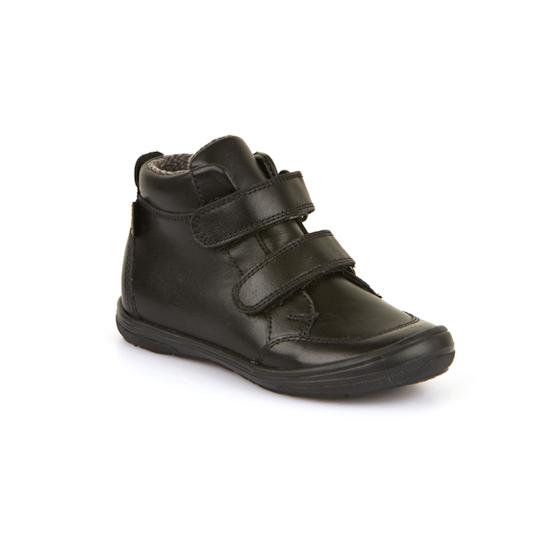
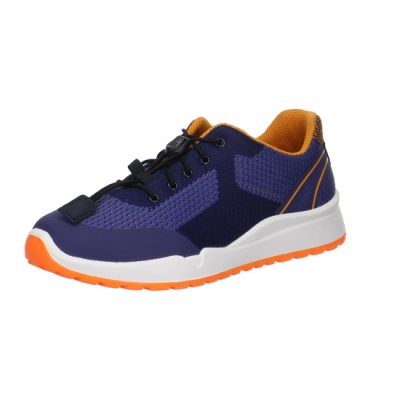
You can find good quality kid’s shoes online and use the size chart for ensuring the right fit.

 windmill